Wood Quay and Camden Yard (part 1)
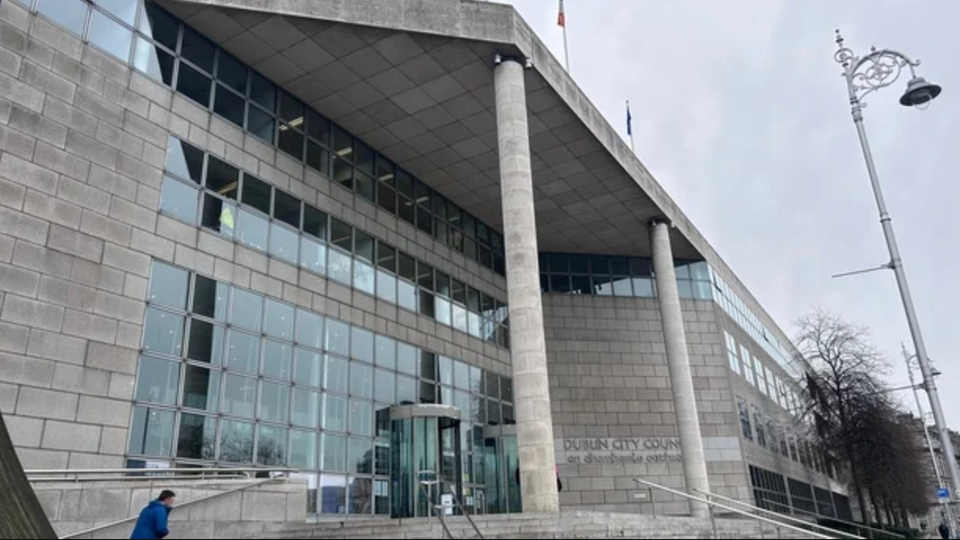
Dublin City Council's headquarters at Wood Quay were built in 2 phases - the "Stephenson bunkers" in the 1970s and the front part of the building in the early 1990s. The buildings were controversial in terms of architecture, public engagement on their design and location and the way the archaeological heritage of the Wood Quay site was managed (or, rather, destroyed) during construction. In 1979, 20,000 people marched from the Dáil to Wood Quay in protest at the destruction of the Viking archaeological site that was about to be buried under the new office blocks.
As of March 2026, Dublin City Council has purchased Camden Yard, a stalled office construction project on Kevin St. The council intends to do two things:
1) move its headquarters from Wood Quay to Camden Yard
2) redevelop the Wood Quay site for public housing
Let's talk about each one separately - this article will be about Camden Yard and I'll follow up with one on Wood Quay.
Camden Yard
Firstly, the council has to complete the building works that are currently stalled at the Camden Yard site. The council has been clever in terms of using its strong credit rating as a negotiating tool - there are contractors on-site who are more concerned with getting paid for the work they have already done than with maximising the financial return on the project (as that gain does not accrue to them!) so having a blue-chip government client who will make good on debts is attractive to them.
In broad strokes, the council will pay around €90mn to take over the site, while north of €250mn has been spent on the site between its purchase and the development works to-date. As such, the council are to be commended for their commercial nous and also for rescuing a stalled development that might have remained a partially-built eyesore for years.
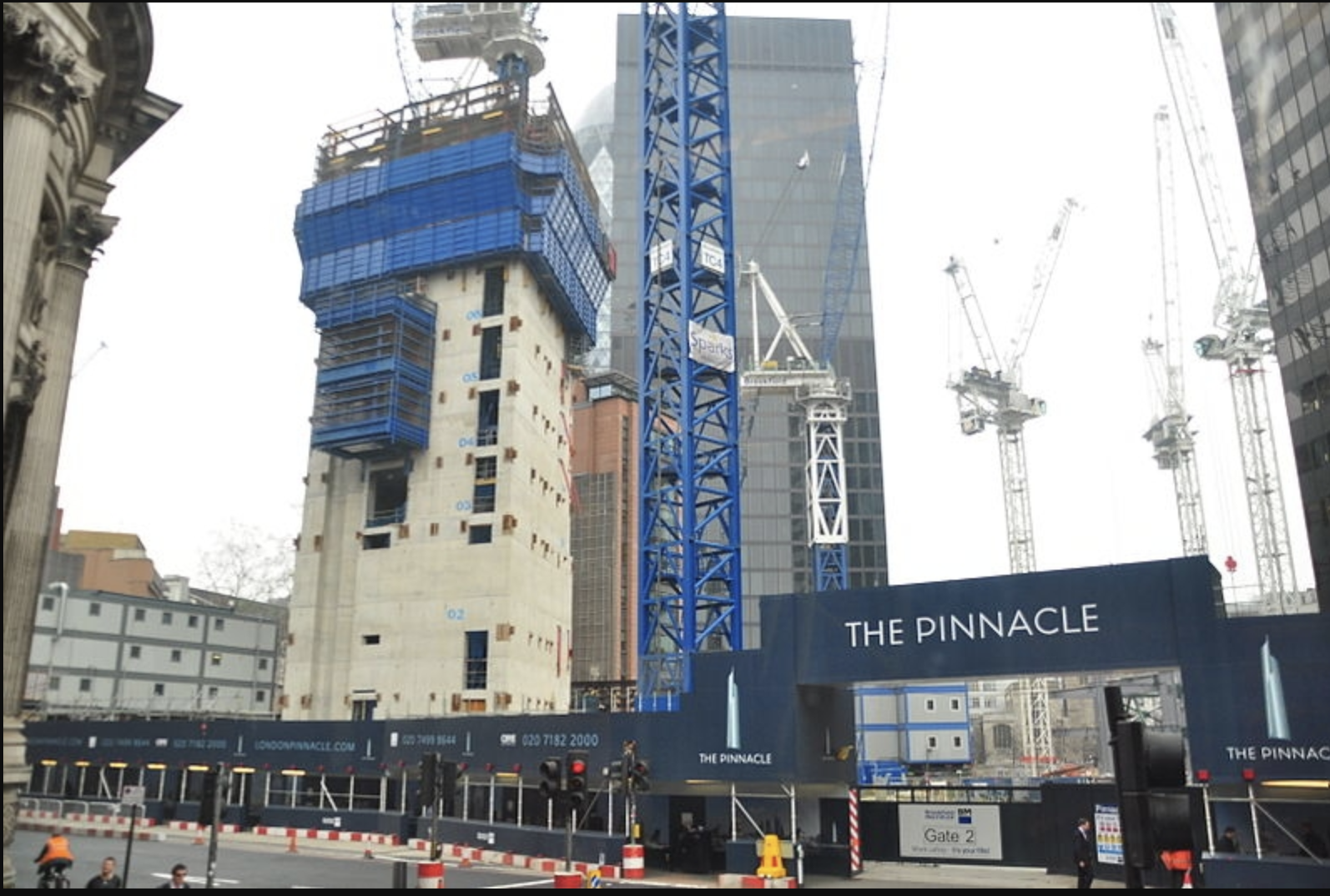
I lived in London in the 2010s and spent several years looking at the site pictured above, after The Pinnacle project fell through but before it was replaced by 22 Bishopsgate. Had Dublin City Council not come through with a plan for Camden Yard, there was a real possibility we'd be dealing with a similar view for whatever length of time it would take for a new developer to complete the project.
Public Housing
The Camden yard development planned to provide 299 build-to-let housing units in 2 blocks (with the distinguished-sounding titles of The Atelier and The Muse). These will now be developed as public housing - I will be pushing for these to be cost-rental units that remain in the council's ownership. There will be other parties pushing for some of these to be released as "affordable purchase", allowing members of the public to buy them at a discount relative to their construction cost. I'm not opposed to affordable purchase in general, but in this specific instance, given the prime location and the high construction costs relating to this project, I think it would be irresponsible for the council to allow these productive public assets to fall into private ownership at the taxpayer's expense.
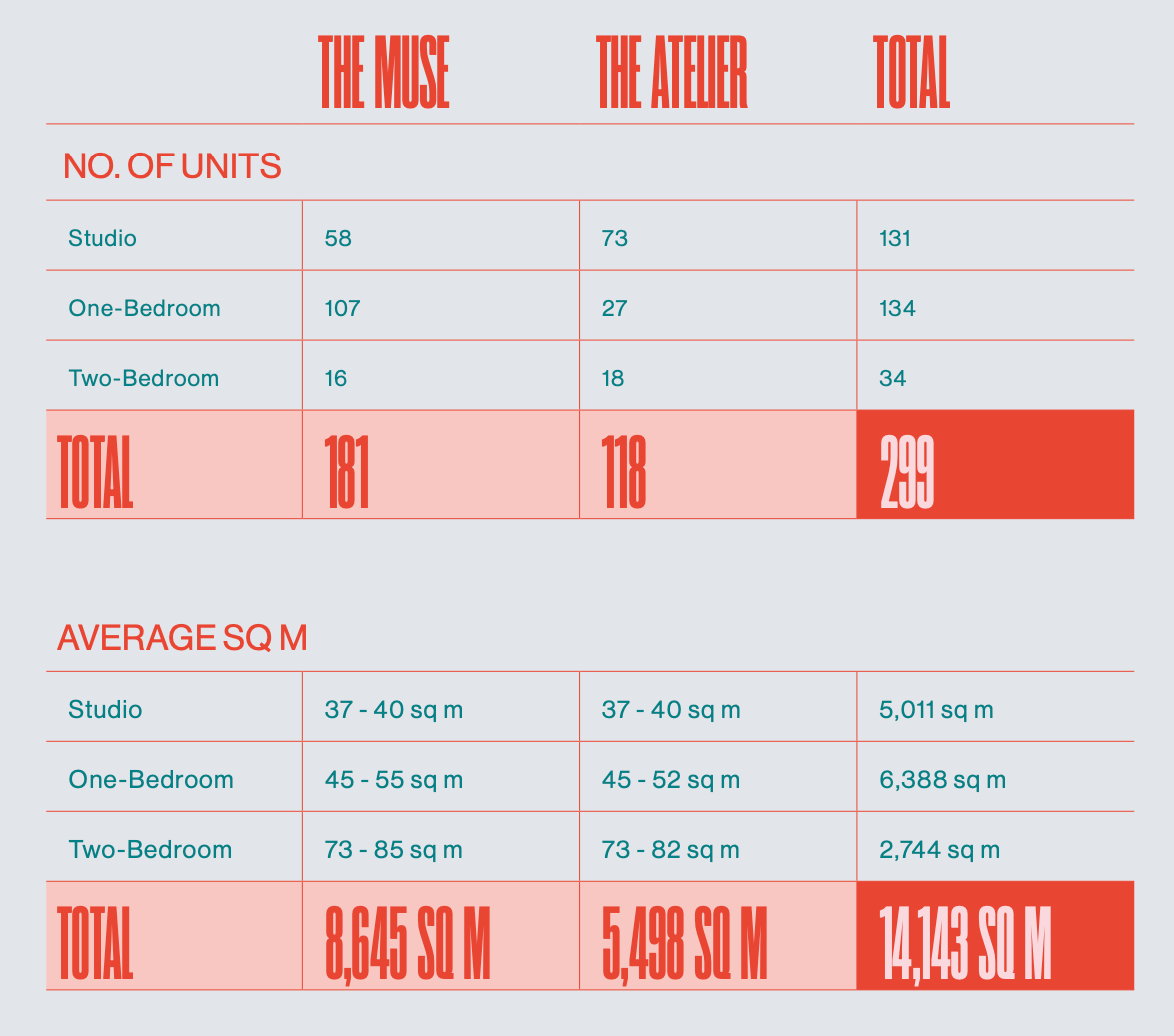
The mix of apartment types isn't ideal in that there are no larger units suitable for families (with only 34 2-bed apartments in total, vs 131 studios and 134 1-beds). However, if the design were changed to improve the mix that would require an additional planning process, which would take at least 2 years to complete. For this reason I can accept the proposed mix - Dublin city centre needs a huge amount of affordable housing supply and this is a quick way to create that.
Timeline and Cost
The council expect to complete land acquisition in Q2 2026, with procurement to complete by the end of the year. Construction is scheduled to begin in 2027 with the project completing in 2029. By Dublin City Council standards this is lightning fast - by way of contrast the redevelopment of Croke Villas, a small block of flats in Ballybough, resulted in the site sitting derelict for 23 years, all the while under council ownership.
The overall cost for the Camden Yard development is estimated at €580mn. About 60% of this will be the cost of the new offices, 25% will be the cost of building the 299 apartments and the remaining 15% will be used to develop offices that the council can sublet. This is an eye-watering sum of money and questions need to be asked about whether this is a good use of taxpayer funds. The council argue that it is, because of the opportunity it affords to repurpose Wood Quay for public housing - I'll talk about this in the next article.
Conclusion
Purchasing property is an executive function of the council that is outside the control of elected members. However, raising large-scale debt is a reserved function (i.e. elected members need to approve it by vote), as is the disposal of property. These are points of leverage that public representatives can use to hold the council management accountable - I expect to see some use of these over the coming months!
I have included the Camden Yard prospectus below for posterity as I'm not sure how long the Camden Yard website will be available for.